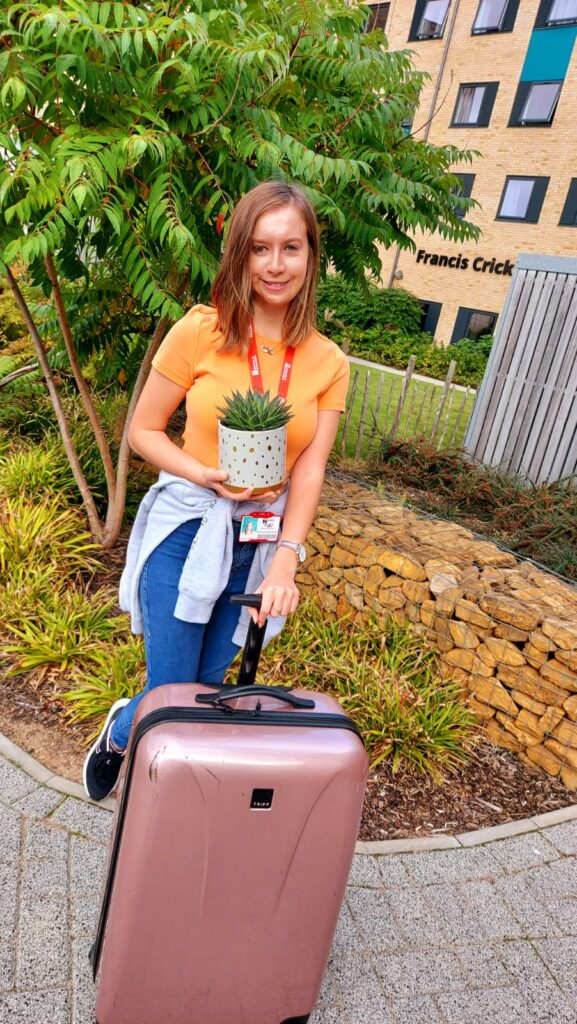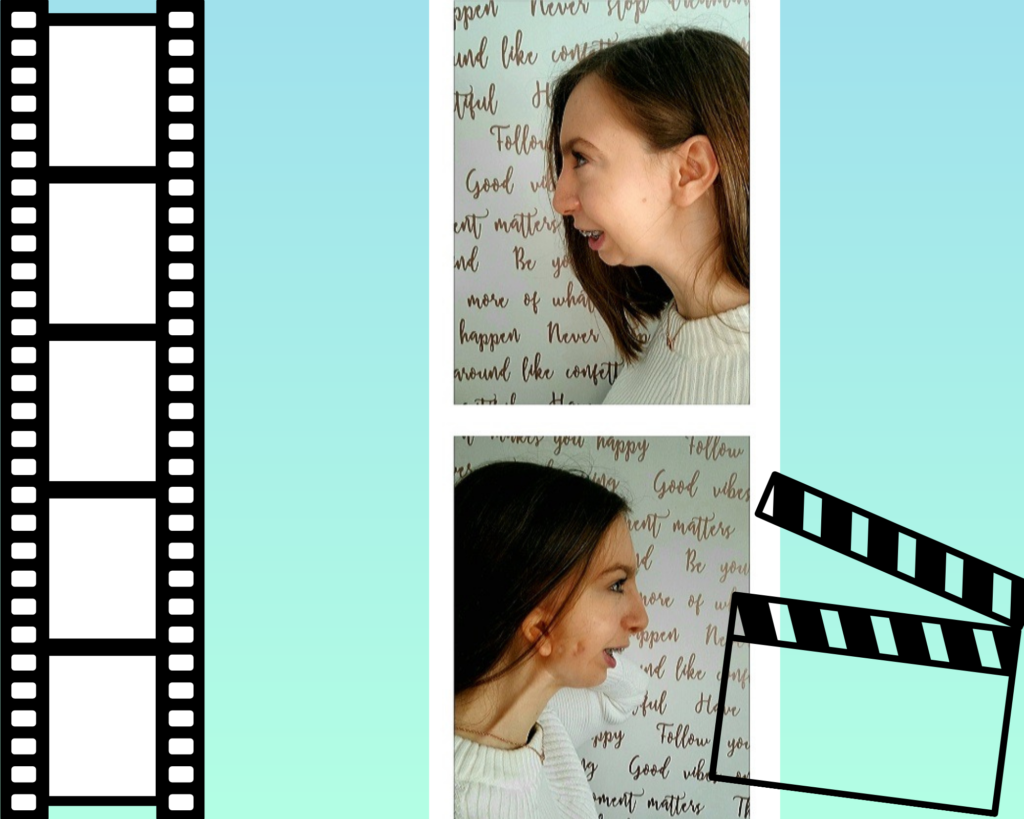
For those who are unaware, I was born missing bone from the right side of my jaw and my right ear is smaller and underdeveloped as a result of a rare condition causing one side of the face to not develop like the other side. While I have had reconstructive surgeries to “correct” my appearance, It has also resulted in surgical scars and facial nerve damage. It is with my own experiences of being born with a facial disfigurement, that I thought I would share my perspective on facial differences being represented in the media.
Firstly, can you name a person/character from a TV show or film who has some sort of facial difference? Whether that be a scar, burn, or a missing facial feature.
If you can think of one, the next question to you is, do they play a positive role within the plot?
The reason I’m asking is that previously facial disfigurements were quite frequently a symbol for villains in Hollywood movies. You will probably be familiar with characters such as Voldemort from Harry Potter, in addition to some of the Star Wars and James Bond antagonists, all of which have visible scars, or missing facial features.
It teaches young people to fear others who look a little different from themselves.
What a sad message to put into young and impressionable people’s minds, that different equals scary. I have heard from others within the facial difference community, that they have had children be scared of them or tell them that they look like a monster. This can also apply to children being frightened of others with missing limbs, or other types of visible disability to which a child has not been exposed to before.
Even though it can be argued that small children shouldn’t be watching the types of films that the mentioned villains are in, these films certainly are not helping. Moreover, the point is that there is very little representation of facial differences anyway, and the ones that people are familiar with typically are not the kinds of characters that you’d be choosing to hang out with if they were real people.
Lack of representation contributes to people feeling isolated and alone.
A statistic that has come from the Changing Faces charity, states that 1 in 3 people experience feeling depressed or anxious as a result of their facial difference. Many people, including myself, grew up without really seeing anyone on TV who they could see themselves in.
That being said, as a child, I really liked the movie ‘Finding Nemo.’ The reason being that the little clownfish has one fin smaller than the other, and because of this, I called my smaller ear, “my Nemo ear.”
While I was very young when I referred to my right ear as this, I find it tragic yet comical that a character who I was excited to be able to identify with, was in fact an animated fish. While it sounds cute, sadly Nemo did not provide me much help and comfort as I got older and was craving some human representation in the media.
As many people are unfamiliar with facial disfigurements, seeing someone with one, leads to curiosity. Although curiosity typically comes in the form of staring at the person affected. This is something that those of us with a difference are all too familiar with. Still to this day, I am very conscious of people’s gaze following me as I walk past once my underdeveloped ear has been noticed. Another common response is to notice and then quickly look away, as the person feels uncomfortable themselves, not knowing how to react to seeing something that they’re not used to.
A step in the right direction.
In 2017, the film Wonder was released. This is a film adaptation of a book about a little boy who has a rare facial birth defect, similar to my own, called Treacher Collins syndrome. While I have a few issues with the film (which I will go into in a separate post), I do still feel that it offers a really good insight into the emotions and struggles that come about from growing up with a facial difference.
I was lucky enough to have had the opportunity to go see the premier of this movie in London, and while it is quite an emotional watch, it felt so refreshing to be able to watch a film to which I could relate so significantly.
The positive benefits that good diversity representation can have.
Another benefit for Hollywood movies making use of diverse representation is that exposure also enables the opportunity for education and positive social impact.
The film led to the social media hashtag #ChooseKind, campaigning to treat everyone with kindness. Furthermore, with the film starring big actors including Julia Roberts and Owen Wilson, the film had a huge reach, helping people become more aware and have more empathy for people living with facial differences. The successful film also aids in teaching children that even if someone looks different on the outside, we’re all people who deserve to be treated fairly.
I think we have a way to go in increasing this representation on the big screen. Nonetheless, I am hopeful much like with disability representation, that this will be something that will improve in time, making life for those with a facial difference, that little bit more comfortable.
Thank you for taking the time to read this post.
Becky. X